
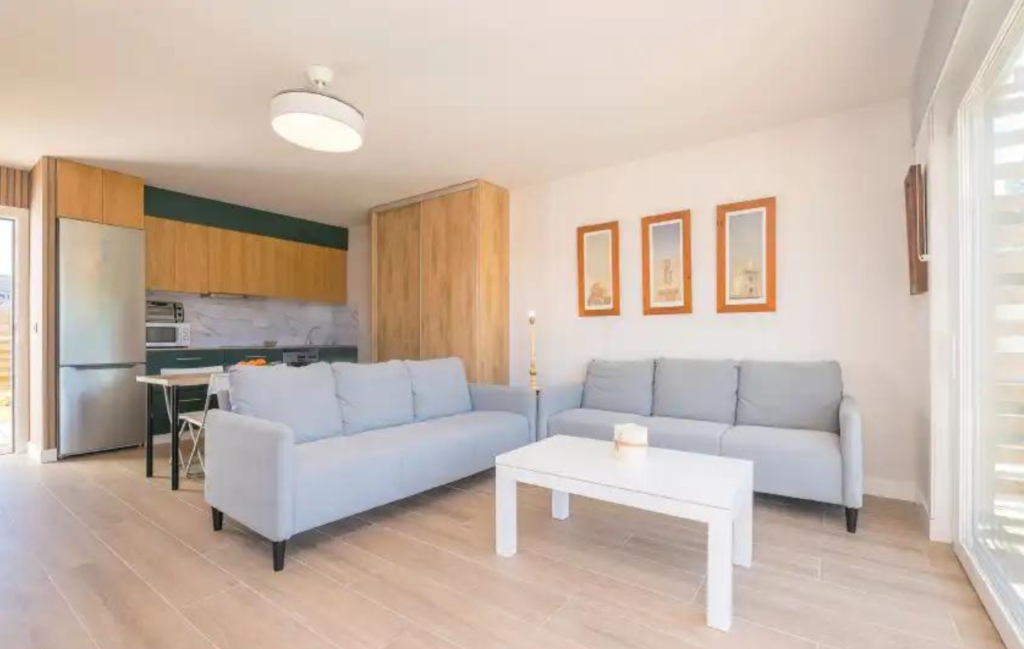
This is a guest post contributed by Viva Murcia Rentals. Yu-Build may link to the contributor’s website.
A holiday rental lives a harder life than the average home. Guests arrive tired and leave in a hurry, suitcases get dragged across floors, wet swimsuits land on sofas, and a property can be cleaned, reset and occupied again within a single day. A finish that looks wonderful in a showroom can show scuffs, stains and water marks after a few busy weeks.
The good news is that durable does not have to mean dull. With a little planning you can choose interior finishes that handle heavy turnover, clean quickly and still feel welcoming. This guide walks through the main surfaces, what to look for, and the common mistakes to avoid.
Start with how guests actually use the property
Before you choose a single material, think about the wear patterns. In a beach or pool destination, sand, chlorine and damp footprints arrive at the front door every day. In a golf resort, shoes and clubs add scuffs to hallways and entrances. For a family let, expect spilled drinks, sticky fingers and toys dragged across floors.
Sketch the property and mark the high-traffic zones: the entrance, the route from the pool or terrace, the kitchen, bathrooms and the stairs. Put your most robust finishes in those places, and save softer, more delicate materials for low-traffic spots such as a main bedroom.
Flooring: the most important decision
Flooring takes the heaviest punishment, so it deserves the biggest share of your thinking. Three options stand out for rentals.
Porcelain tile
Porcelain is dense, hard, water-resistant and very easy to clean, which is why it is so common in warm-climate homes. It also stays cool underfoot in summer. Choose a matt or lightly textured surface rather than a polished one, since glossy tile can be slippery when wet and shows every footprint. Large-format tiles mean fewer grout lines to clean. The trade-offs are cost, a hard feel underfoot and the risk of chipping if something heavy is dropped.
Luxury vinyl plank (LVP)
Good-quality LVP gives you the look of wood with much better water resistance and a softer, warmer feel than tile. Look for a thick wear layer, which is the clear protective top coat, and a rigid core for stability. It suits bedrooms, living areas and upper floors well. Avoid very cheap thin products, which can dent, curl or fade, and check that the product is rated for the temperature swings of a property that may sit empty with the windows closed.
Engineered or solid wood
Real wood is beautiful, but it is a poor match for heavy rental use. It scratches, reacts to moisture and humidity and needs periodic refinishing. If you love the look, consider a wood-effect tile or LVP instead and keep real timber for stair treads or decorative details.
What to skip: wall-to-wall carpet. It traps sand, holds odours, stains easily and is slow to clean between guests. If you want warmth, add washable rugs that can be lifted and replaced.
Walls and ceilings: choose paint like a professional
Paint is one of the cheapest ways to protect a rental, but only if you choose the right product and sheen.
- Living areas, bedrooms and hallways: a washable matt, eggshell or satin finish hides small imperfections while allowing a damp cloth to remove marks.
- Kitchens and bathrooms: use a moisture-resistant or mildew-resistant paint in satin or semi-gloss. Higher sheens resist splashes and steam better.
- Trim, doors and skirting: semi-gloss or satin enamel takes knocks and wipes clean easily.
- Ceilings: a good flat ceiling paint is fine in most rooms, but use a moisture-resistant version in bathrooms.
Choose warm neutrals over stark white. Pure white shows every scuff, while soft greige, sand or pale stone tones forgive wear and still feel bright. Keep a labelled tin of each colour on site so touch-ups between stays are quick and match perfectly.
Kitchen finishes that survive holiday cooking
Holiday kitchens see plenty of improvised meals, hot pans and wine glasses. Worktops are the main concern.
- Quartz (engineered stone): non-porous, stain-resistant and consistent in colour. It is one of the most popular rental choices, though it can be damaged by very hot pans, so provide trivets.
- Porcelain slab or large-format porcelain: extremely heat and scratch resistant, with a modern look.
- Laminate: budget friendly and much better than it used to be, but it can chip at the edges and swell if water gets into the joints.
- Natural stone and timber: beautiful, but marble etches with lemon juice and wine, and timber needs regular oiling. Better avoided in a rental unless you are prepared for ongoing care.
For cabinet doors, choose a durable painted or laminated finish with soft-close hinges, which reduce slamming and long-term damage. For the splashback, a tile or glass panel is far easier to wipe than a painted wall.
Bathrooms: moisture is the enemy
Bathrooms are where cheap finishes fail first. Prioritise water resistance and ventilation.
- Tile: porcelain on floors and shower walls is the standard choice. Use a slip-resistant texture on the shower floor.
- Grout: use a quality grout and seal it, or consider epoxy grout, which resists staining and mildew far better than standard cement grout. Mid-grey grout hides dirt better than white.
- Waterproofing: make sure showers and wet zones are properly waterproofed behind the tile. Problems here are expensive to fix and hard to see until damage has spread.
- Sealant: use anti-mould silicone at joints and plan to renew it every few years.
- Ventilation: a good extractor fan, ideally on a humidity sensor or timer, keeps steam from damaging paint and encouraging mould.
Choose simple, robust fittings with replaceable cartridges and parts. A tap or shower valve that is easy to repair saves a lot of time and cost over the years.
Doors, hardware and trim
Small items take a surprising amount of abuse. Solid or good-quality doors with sturdy hinges and quality handles last longer than lightweight hollow versions. In coastal areas, salt in the air can corrode cheap metal, so choose stainless steel or finishes rated for coastal environments for exterior doors, window hardware and outdoor fittings. Add door stops and wall protectors behind handles to prevent dents in plaster, and fit protective plates on high-contact areas such as light switches near entrances.
Soft furnishings and fabrics
Sofas, chairs and bedding are part of the finish scheme, and they are the items guests touch most.
- Choose performance or stain-resistant fabrics, or sofas with removable, machine-washable covers.
- Pick mid-tone colours and subtle textures that hide marks better than pale solids.
- Use mattress protectors and washable cushion covers throughout.
- Pick outdoor-rated cushions for terraces and poolside furniture, and bring them in or store them properly in bad weather.
- Consider washable rugs, which are cheaper to replace than a damaged fitted carpet.
Match the finish to the budget and the lifespan
Durable materials often cost more upfront, so it helps to spend where it matters most. Put the largest share of your budget into flooring, bathroom waterproofing and kitchen worktops. Spend less on easily replaced items such as lighting, cushions and décor. A useful rule is to ask two questions of every finish: how will it look after fifty guests, and how quickly can it be cleaned or replaced? If the answer to either is poor, keep looking.
A simple maintenance routine
- After every stay: check floors, walls and worktops for new marks, and wipe or touch up straight away.
- Monthly: inspect sealant, grout and taps for early signs of wear or leaks.
- Every year: deep-clean grout and soft furnishings, check paint on trim and doors, and service ventilation fans.
- Every few years: renew silicone, repaint high-traffic walls and replace worn rugs and mattress protectors.
Put it into practice
Durable finishes protect your investment, reduce repair costs and keep guest reviews strong, because a property that always looks fresh gives a better first impression. The key is to plan around real use, choose water-resistant and easy-clean surfaces for the busiest areas, and build a simple routine to keep everything in good shape.
If you are looking for inspiration on how a well-kept holiday home feels from the guest’s side, take a look at the private Villas in La Torre Golf Resort for Rent from Viva Murcia Rentals.
Frequently asked questions
What is the most durable flooring for a holiday rental?
Porcelain tile is generally the toughest and easiest to clean, especially in warm, sandy or poolside settings. Good-quality luxury vinyl plank is a strong alternative for bedrooms and living areas where you want a warmer feel.
What paint finish works best in a rental property?
A washable eggshell or satin finish works well in most rooms, and semi-gloss or moisture-resistant paint suits kitchens, bathrooms, trim and doors. Neutral, warm colours hide wear better than bright white.
Is quartz a good choice for rental kitchen worktops?
Yes. Quartz is non-porous, resists stains and is easy to maintain, though it should be protected from very hot pans. Providing trivets and chopping boards helps it last.
How can I reduce mould in rental bathrooms?
Use mildew-resistant paint, sealed or epoxy grout and anti-mould silicone, and make sure there is a working extractor fan. Good waterproofing behind the tile is essential.
About the contributor
Viva Murcia Rentals is a holiday rental company offering private villas and apartments in the Murcia region of Spain, including properties around La Torre Golf Resort. Their blog shares practical guides for guests and visitors to the area.
Disclaimer: product performance varies by brand and installation. Always follow manufacturer guidance and local building regulations, and consult a qualified tradesperson for waterproofing, electrical and structural work.